Nourish Your Garden with Eco-Friendly Natural Plant Food: A Sustainable Approach
As gardeners, we strive to create a thriving and healthy environment for our plants to grow. One of the most effective ways to achieve this is by using natural plant food, which not only promotes plant growth but also supports the well-being of our planet. In this article, we will explore the benefits of eco-friendly natural plant food and provide you with practical tips on how to implement it in your garden without breaking the bank.
#1 Eco-Friendly Natural Plant Food on a Budget
Using natural plant food is not only good for the environment, but it can also be cost-effective. By making a few simple changes to your gardening routine, you can create a thriving garden without spending a fortune. Start by assessing your garden's specific needs and look for natural alternatives to synthetic fertilizers. For example, you can use manure tea or compost to provide your plants with the necessary nutrients.
#2 Introduction to Composting as a Cost-Effective Method
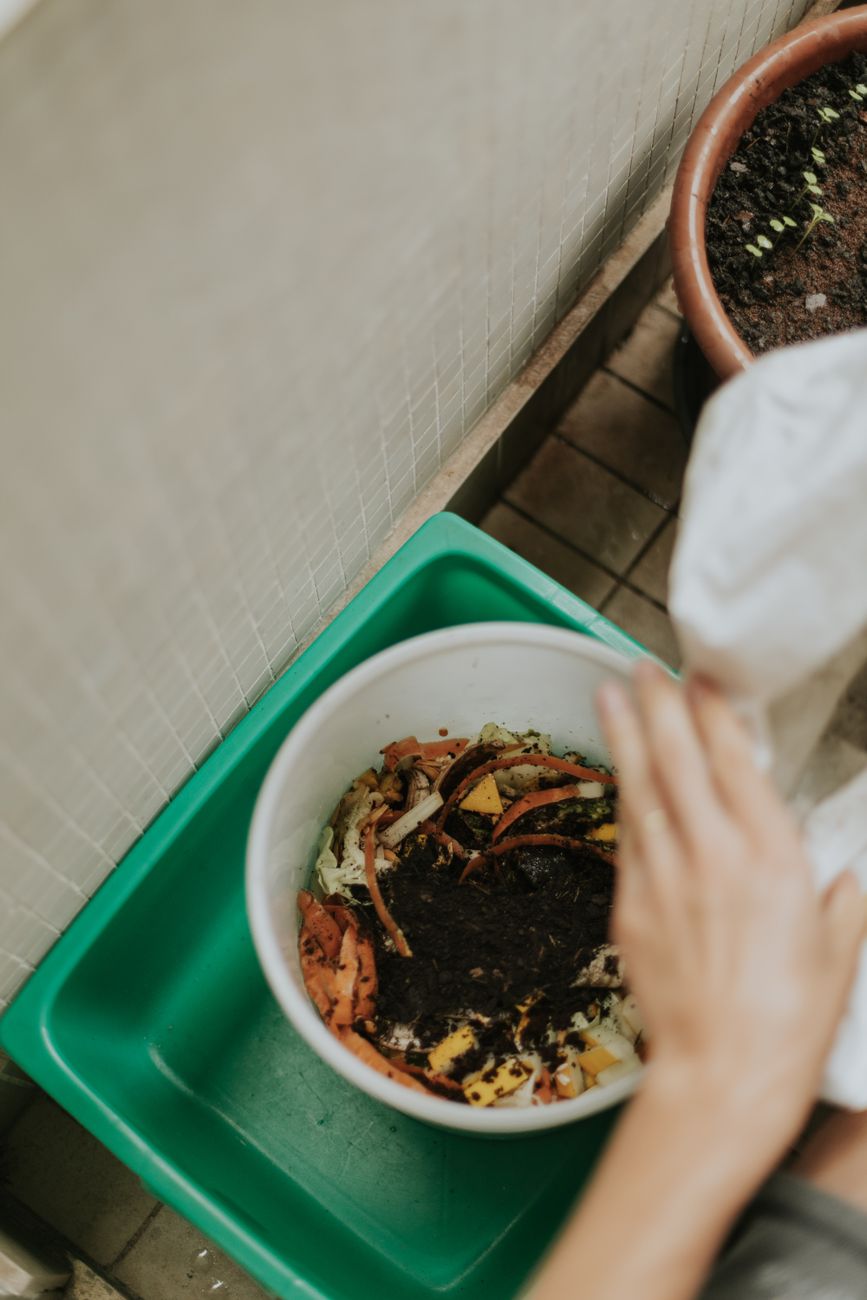
Composting is a simple and effective way to create natural plant food while reducing waste. By collecting kitchen scraps and yard waste, you can create a nutrient-rich compost that will help your plants thrive. To get started, choose a composting method that works for you, such as a worm composter or a traditional compost pile. With regular maintenance, you can create a steady supply of natural plant food that will support the health and growth of your plants.
#3 Using Kitchen Scraps and Yard Waste as Fertilizers
Kitchen scraps and yard waste are rich in nutrients that can be used to create natural plant food. Items like coffee grounds, eggshells, and leaf mold can be added to your compost pile or used as a direct fertilizer. For example, you can mix coffee grounds into the soil to improve its structure and fertility. Similarly, eggshells can be crushed and added to the soil to provide calcium and other essential nutrients.
#4 DIY Natural Pest Control Methods for a Sustainable Garden
A sustainable garden is not just about using natural plant food, but also about adopting eco-friendly pest control methods. Instead of relying on synthetic pesticides, you can create your own natural pest control solutions using items like neem oil, garlic, and hot peppers. For example, you can mix neem oil with water and spray it on your plants to control pests like aphids and whiteflies. By adopting these DIY methods, you can create a balanced and thriving ecosystem in your garden.
Conclusion
In conclusion, using natural plant food is a simple and effective way to create a thriving and sustainable garden. By adopting eco-friendly methods like composting and using kitchen scraps and yard waste as fertilizers, you can reduce your environmental impact while promoting the health and growth of your plants. Remember, every small step counts, and by making a few simple changes to your gardening routine, you can create a beautiful and sustainable garden that will flourish for years to come.
Top Recommended Accessories for Natural Plant Food
Sustane All Natural Flower and Vegetable Plant Food, 5-Pound...
Espoma Organic Evergreen-Tone 4-3-4 Natural & Organic Fertilizer and Plant Food ...
Neptune’s Harvest Organic Tomato & Vegetable Plant Fertilizer (2-4-2) - Liquid P...