Trim Your Garden Watering Time in Half with These Tips
To Trim Your Garden Watering Time in Half, it's essential to adopt an eco-friendly approach that not only conserves water but also fits within your budget. By making a few simple changes to your garden watering system, you can significantly reduce the time spent on watering while ensuring your garden remains healthy and thriving. This approach is not only beneficial for the environment but also helps in reducing your water bills. With the right strategies, you can create a beautiful and sustainable garden without wasting precious resources.
1
Step 1: Introduction to Eco-Friendly Budget Garden Watering
Eco-friendly budget garden watering involves using methods and materials that conserve water, reduce waste, and minimize the financial impact on your wallet. This can include using recycled materials for garden beds, selecting plants that are drought-tolerant, and implementing efficient irrigation systems. By taking an eco-friendly approach, you not only contribute to a healthier environment but also enjoy the benefits of a lower water bill. Moreover, many of these methods are cost-effective in the long run, making them a viable option for gardeners on a budget. For instance, using rainwater collection systems can significantly reduce your reliance on municipal water supplies, thereby lowering your water costs. Additionally, choosing plants that require less water reduces the need for frequent watering, which can be especially beneficial during periods of drought or water restrictions.
2
Step 2: Assess Your Current Watering System for Inefficiencies
Assessing your current watering system for inefficiencies is a crucial step towards trimming your garden watering time in half. This involves checking for leaks, inspecting the condition of your hoses and sprinklers, and evaluating the watering schedule to ensure it's optimized for your garden's needs. Look for signs of overwatering, such as water pooling around plants or running off into the street, and adjust your system accordingly. Consider the type of soil in your garden, as different soils have varying water retention capacities. Sandy soils, for example, drain quickly and may require more frequent watering, while clay soils retain water longer and may need less frequent watering. By understanding your soil type and the specific needs of your plants, you can tailor your watering system to deliver the right amount of water at the right time, thereby minimizing waste and reducing your watering time.
3
Step 3: Install Rain Sensors and Smart Controllers for Automation
Installing rain sensors and smart controllers can significantly enhance the efficiency of your garden watering system. Rain sensors detect rainfall and automatically adjust your watering schedule to prevent overwatering. Smart controllers, on the other hand, use advanced algorithms and weather data to optimize watering times and amounts based on real-time conditions. These devices can be programmed to skip watering sessions when rain is forecasted, reducing water waste and ensuring your garden receives exactly what it needs. By automating your watering system, you can Trim Your Garden Watering Time in Half while maintaining a healthy and lush garden. Additionally, many smart controllers offer remote access through mobile apps, allowing you to monitor and adjust your watering schedule from anywhere, providing you with greater control and flexibility.
4
Step 4: Implement Drip Irrigation to Reduce Evaporation and Runoff
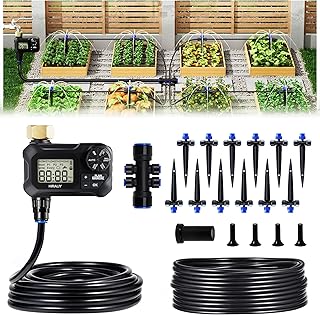
Drip irrigation is a highly efficient method of watering that delivers water directly to the roots of plants, reducing evaporation and runoff. This method involves using a network of tubes with tiny holes that release water slowly, providing plants with a consistent supply of moisture. By focusing water delivery at the root zone, drip irrigation minimizes the amount of water lost to evaporation and runoff, making it an ideal choice for water-conscious gardeners. Furthermore, drip irrigation systems can be easily customized to fit the specific needs of your garden, allowing you to water plants individually based on their unique requirements. This targeted approach ensures that each plant receives the right amount of water, further reducing waste and helping you to Trim Your Garden Watering Time in Half. As an added benefit, drip irrigation can help reduce weed growth by only watering the desired plants, reducing the need for herbicides and other chemicals.
5
Step 5: Choose Drought-Tolerant Plants to Minimize Water Needs
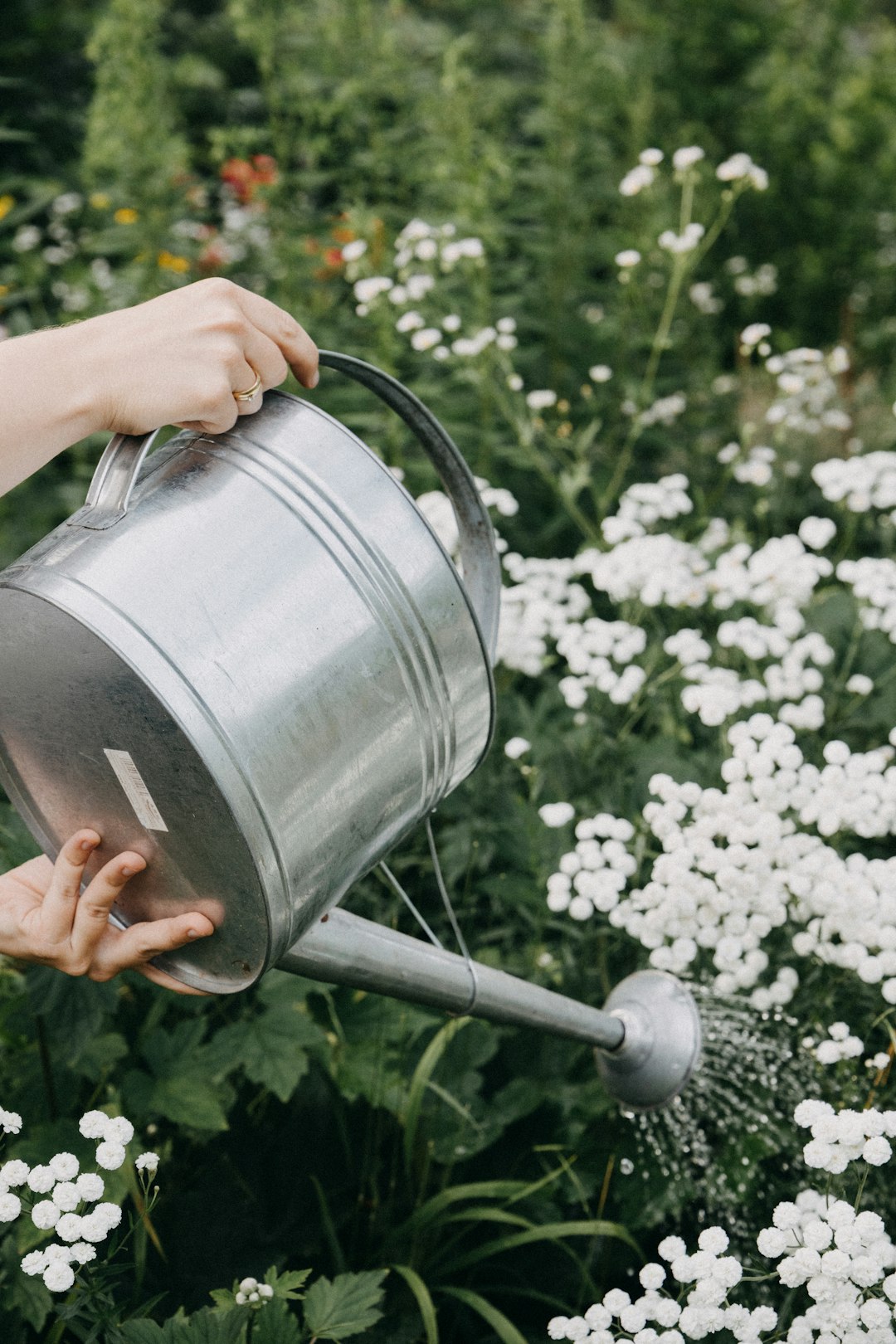
Choosing drought-tolerant plants is a strategic way to minimize water needs in your garden. These plants have adapted to survive in conditions with limited water availability, making them ideal for gardens where water conservation is a priority. By selecting plants that are naturally resistant to drought, you can significantly reduce the frequency and amount of watering required. This not only helps in conserving water but also reduces the time spent on gardening, allowing you to enjoy your outdoor space without the hassle of frequent watering. Drought-tolerant plants come in a wide variety of species, offering a range of colors, textures, and blooms to suit different garden styles. From succulents and cacti to certain types of grasses and flowering plants, there are numerous options available for creating a beautiful and water-efficient garden. By incorporating these plants into your garden design, you can create a stunning landscape that thrives with minimal watering, helping you achieve your goal to Trim Your Garden Watering Time in Half.
6
Step 6: Monitor and Adjust Your New Watering System for Optimal Results
Monitoring and adjusting your new watering system is crucial for achieving optimal results and ensuring that you successfully Trim Your Garden Watering Time in Half. Regularly inspect your garden for signs of overwatering or underwatering, and adjust your system as needed. Keep an eye on weather forecasts to anticipate and prepare for periods of drought or excessive rainfall. Use data from your smart controllers and rain sensors to fine-tune your watering schedule, making adjustments based on the specific needs of your plants and the local climate. By continuously monitoring and refining your watering system, you can ensure that your garden receives the perfect amount of water at the right time, promoting healthy growth and minimizing water waste. This ongoing process of evaluation and adjustment is key to maintaining an efficient and effective garden watering system that supports both your garden's health and the environment.
🎯 Final Thoughts
In conclusion, trimming your garden watering time in half is achievable through a combination of eco-friendly practices, efficient technologies, and mindful plant selection. By assessing your current system, implementing smart solutions, and choosing drought-tolerant plants, you can significantly reduce your garden's water needs while maintaining its beauty and health. Remember, every small change counts, and adopting these strategies not only benefits your garden but also contributes to a more sustainable future. Start your journey towards a more water-efficient garden today and enjoy the rewards of a lush, thriving outdoor space that requires less time and resources to maintain.
Top Recommended Accessories for Trim Your Garden Watering Time In Half
HIRALIY 50FT Automatic Drip Irrigation Kit with Timer, Quick-Connect Garden Wate...
120 Ft Drip Irrigation System with Smart Water Timer – Automatic Garden Watering...
Fiskars Watering Spike for Indoor Plants, Self-Watering Device to Water Plants W...
Frequently Asked Questions
❓ What are the most water-efficient plants for my garden?
The most water-efficient plants include succulents, cacti, and drought-tolerant species that have adapted to survive with minimal water. Examples include aloe, agave, and certain types of grasses and flowering plants. These plants are ideal for gardens where water conservation is a priority.
❓ How often should I water my garden using drip irrigation?
The frequency of watering with drip irrigation depends on the type of plants, soil, and climate. Generally, it's recommended to water deeply but infrequently to encourage deep root growth. Check the soil moisture by inserting your finger into the soil, and water when the top inch of soil feels dry.
❓ Can I use rainwater collection systems with smart controllers?
Yes, rainwater collection systems can be integrated with smart controllers to optimize water use. Many smart controllers can detect when rainwater is available and adjust the watering schedule accordingly, ensuring that you make the most of collected rainwater and reduce your reliance on municipal water supplies.