Explore Indoor Gardening Ideas
Discover the best indoor gardening ideas to transform your space into a lush oasis. Indoor gardening ideas can help you create a peaceful and calming environment, perfect for relaxation and entertainment. With a little creativity, you can turn any room into a beautiful garden, regardless of its size or lighting conditions. By exploring various indoor gardening ideas, you can find the perfect solution for your home and enjoy the many benefits of indoor gardening, including improved air quality and a sense of well-being.
#1 Small Space Vertical Gardening
Small space vertical gardening is a great way to maximize your indoor space while still enjoying the benefits of gardening. This technique involves using a trellis or a wall-mounted planter to train plants to grow upwards, making the most of your available space. You can use a variety of plants, such as ivy, succulents, or herbs, and choose from different types of planters, including wooden or metal trellises. To get started, simply attach the trellis to a wall or place it in a corner, add some soil and your chosen plants, and water regularly. With proper care, your vertical garden will thrive and become a beautiful addition to your home. Some popular plants for small space vertical gardening include ferns, peace lilies, and spider plants, which are all easy to care for and can tolerate low light conditions.
#2 Hanging Macrame Planters
Hanging macrame planters are a stylish and bohemian way to add some greenery to your indoor space. These planters are made from cotton rope or twine and can be customized to fit your personal style. To create a hanging macrame planter, you will need a few basic materials, including cotton rope, a wooden dowel, and a pot. Simply knot the rope around the dowel to create the hanger, then attach the pot and add your chosen plant. Hanging macrame planters are perfect for plants that prefer to dry out slightly between waterings, such as succulents or cacti. Some tips for using hanging macrame planters include choosing a planter that is the right size for your plant, using a well-draining potting mix, and avoiding overwatering, which can cause the roots to rot.
#3 Mini Succulent Terrariums
Mini succulent terrariums are a low-maintenance and adorable way to enjoy the beauty of succulents indoors. A terrarium is a closed container that creates a self-sustaining ecosystem, perfect for plants that prefer dry conditions. To create a mini succulent terrarium, you will need a small glass container, some soil, and your chosen succulent. Simply add a layer of small rocks or pebbles to the container, followed by a layer of soil, and then plant your succulent. Some popular succulent species for mini terrariums include aloe, echeveria, and crassula, which are all easy to care for and can thrive in low-light conditions. With proper care, your mini succulent terrarium will become a beautiful and unique addition to your home.
#4 Recycled Bottle Herb Gardens
Recycled bottle herb gardens are a creative and eco-friendly way to grow your favorite herbs indoors. This technique involves using old plastic bottles as mini greenhouses, providing a warm and humid environment for your herbs to thrive. To create a recycled bottle herb garden, you will need a few basic materials, including an old plastic bottle, some soil, and your chosen herb. Simply cut the bottom off the bottle, add some soil and your herb, and place the bottle in a sunny spot. Some popular herbs for recycled bottle gardens include basil, mint, and cilantro, which are all easy to care for and can tolerate a range of lighting conditions. With proper care, your recycled bottle herb garden will provide you with a constant supply of fresh herbs, perfect for cooking and entertaining.
#5 Mason Jar Seed Starters
Mason jar seed starters are a simple and effective way to start seeds indoors, perfect for gardeners of all skill levels. This technique involves using a mason jar as a mini greenhouse, providing a warm and humid environment for your seeds to germinate. To create a mason jar seed starter, you will need a few basic materials, including a mason jar, some soil, and your chosen seeds. Simply add some soil to the jar, plant your seeds, and place the jar in a sunny spot. Some tips for using mason jar seed starters include choosing a jar that is the right size for your seeds, using a well-draining potting mix, and avoiding overwatering, which can cause the seeds to rot. With proper care, your mason jar seed starter will provide you with a healthy and thriving seedling, ready to transplant into your garden.
#6 Living Wall Planters
Living wall planters are a stunning and modern way to add some greenery to your indoor space. These planters are designed to be attached to a wall, providing a unique and space-saving way to display your plants. To create a living wall planter, you will need a few basic materials, including a planter, some soil, and your chosen plants. Simply attach the planter to the wall, add some soil and your plants, and water regularly. Some popular plants for living wall planters include ferns, peace lilies, and spider plants, which are all easy to care for and can tolerate low light conditions. With proper care, your living wall planter will become a beautiful and thriving addition to your home, perfect for entertaining and relaxation.
#7 DIY Indoor Greenhouse
A DIY indoor greenhouse is a fun and rewarding project that can provide you with a year-round supply of fresh produce. This technique involves using a variety of materials, including wood, plastic, and glass, to create a mini greenhouse that can be placed indoors. To create a DIY indoor greenhouse, you will need a few basic materials, including a frame, some plastic or glass, and a heating and cooling system. Simply assemble the frame, attach the plastic or glass, and add your chosen plants. Some tips for creating a DIY indoor greenhouse include choosing a location that receives plenty of natural light, using a well-draining potting mix, and avoiding overwatering, which can cause the plants to rot. With proper care, your DIY indoor greenhouse will provide you with a constant supply of fresh produce, perfect for cooking and entertaining.
Conclusion
Indoor gardening is a great way to bring some greenery into your home, regardless of the size or lighting conditions. By exploring various indoor gardening ideas, you can find the perfect solution for your space and enjoy the many benefits of indoor gardening, including improved air quality and a sense of well-being. Whether you prefer small space vertical gardening, hanging macrame planters, or DIY indoor greenhouses, there are plenty of options to choose from. So why not get started today and discover the joy of indoor gardening for yourself?
Top Recommended Accessories for Indoor Gardening Ideas
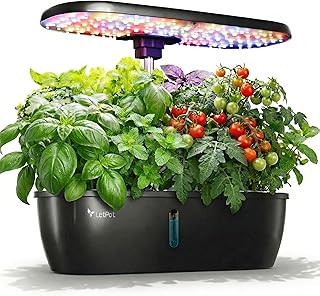
LETPOT Hydroponics Growing System, 12 Pods Indoor Herb Garden Kit with 24W LED G...
Heavy Duty Gardening Tools - Gardening Gifts for Women, Men, Mom, Dad - Durable,...
The Inspired Houseplant: A Beginner's Guide to Modern Indoor Gardening...
Frequently Asked Questions
❓ What are some good plants for indoor gardening?
Some good plants for indoor gardening include succulents, herbs, and ferns, which are all easy to care for and can tolerate a range of lighting conditions. Other options include peace lilies, spider plants, and aloe, which are known for their air-purifying properties and can thrive in low-light conditions.
❓ How often should I water my indoor plants?
The frequency of watering your indoor plants will depend on the type of plant, the size of the pot, and the lighting conditions. As a general rule, it's best to water your plants when the soil feels dry to the touch, usually every 1-3 days. However, some plants may require more frequent watering, while others may prefer to dry out slightly between waterings.
❓ Can I grow vegetables indoors?
Yes, you can grow vegetables indoors using a variety of techniques, including container gardening, hydroponics, and indoor greenhouses. Some popular vegetables for indoor gardening include leafy greens, tomatoes, and herbs, which can thrive in a range of lighting conditions. With proper care and attention, you can enjoy a constant supply of fresh produce, even in the middle of winter.